

Understanding the Allure of Gambling
The world of gambling captivates millions, offering a unique blend of excitement, risk, and the potential for substantial financial rewards. This appeal often revolves around the thrill of uncertainty that gambling presents. The chance of winning, coupled with the adrenaline rush associated with high-stakes activities, creates an intoxicating experience for many individuals. Casinos and gaming venues are meticulously designed to amplify this excitement, utilizing vibrant colors, engaging sounds, and dynamic environments to enhance the sensory experience. For those looking to play online, choosing an online casino that accept neosurf can lead to even more thrilling opportunities, as this carefully crafted atmosphere not only attracts players but also encourages them to continue playing, often leading to prolonged engagement in gambling activities.
Additionally, the social dimension of gambling significantly heightens its allure. Many individuals participate in gambling as a communal activity, whether it’s a casual game with friends or a lively session at a casino table. This social interaction can elevate the excitement of the experience, allowing players to share both triumphs and setbacks. Research indicates that these shared moments can strengthen social bonds, further reinforcing the desire to engage in gambling as a means of entertainment and connection with others. The laughter, cheers, and camaraderie found in these settings can make the gambling experience even more appealing.
Another critical psychological factor driving gambling behavior is the illusion of control. Many gamblers operate under the belief that they can influence the outcomes of their games, whether through strategic decision-making in poker or selecting “lucky” numbers in lotteries. This misconception can lead to a sense of empowerment, prompting players to continue their gambling activities with the hope of success. Cognitive biases, such as overconfidence and selective memory, further perpetuate this illusion, causing players to focus more on their wins than their losses. This dynamic between perceived control and randomness is fundamental to understanding the psychology of gambling.
The Role of Reinforcement in Gambling Behavior
Reinforcement theory plays a pivotal role in explaining why gambling behaviors are maintained and intensified over time. In gambling, the concept of intermittent reinforcement is particularly influential. Gamblers do not win every time they play; however, the sporadic nature of wins provides a compelling incentive to continue. This unpredictability creates a cycle of anticipation, as players chase the next high associated with winning. The psychological state of excitement and hope that accompanies these experiences often leads to extended gambling sessions, as individuals feel compelled to keep playing in pursuit of their next victory.
Moreover, the brain’s reward system is activated during gambling, releasing dopamine—a neurotransmitter closely associated with pleasure—whenever players win or even come close to winning. This dopamine release can create a feedback loop that keeps players engaged, reinforcing the gambling behavior even when they experience significant losses. The thrill of winning, no matter how small, can be enough to draw individuals back to gambling repeatedly. Over time, this craving for dopamine can lead to compulsive gambling habits, as individuals prioritize the emotional highs associated with gambling over the negative consequences of their actions.

Additionally, the phenomenon of near misses plays a crucial role in reinforcing gambling behavior. Research indicates that near misses—situations in which players almost win—serve as powerful motivators to continue gambling. Players often interpret near misses as signs of skill or impending success, leading them to believe they are “due” for a win. This psychological trick can distort their perception of reality, causing them to overlook the statistical improbability of their situation. As a result, players may find themselves stuck in a cycle of gambling, convinced that their next attempt will lead to success, even when the odds are stacked against them.
The Emotional Connection to Gambling
For many individuals, gambling offers an escape from the stresses and pressures of daily life. The emotional high experienced during gambling can provide temporary relief from feelings of anxiety, boredom, or dissatisfaction. This desire to seek an emotional boost is a significant factor in why people engage in gambling activities. The thrill associated with placing bets and the potential for significant wins can create a euphoric experience, making gambling an attractive option for those seeking a diversion from their everyday challenges. However, while this may provide short-term relief, it often leads to negative long-term consequences.
Moreover, the emotional ties to gambling frequently intertwine with personal identity. Some individuals view themselves as adept gamblers or strategists, which can intensify their inclination to participate in gambling activities. This self-perception can become a crucial aspect of their social interactions and personal narratives, making it increasingly difficult to step away from gambling, even when they face adverse outcomes. For these individuals, gambling can evolve from a mere pastime into a defining characteristic of their identity, complicating their relationship with both the activity and their self-worth.
The psychological concept of loss aversion also highlights the emotional complexities surrounding gambling. Research suggests that individuals tend to experience the pain of losses more acutely than the pleasure of equivalent gains. As a result, many gamblers may persist in their efforts to win back lost money, driven by a powerful emotional response that clouds their judgment. This cycle can lead to obsessive gambling behavior, where the desire to recover losses fuels further gambling activity, often resulting in even greater financial and emotional distress. Understanding these emotional triggers is essential for recognizing the risks associated with gambling.
The Influence of Cognitive Biases in Gambling
Cognitive biases significantly shape gambling behavior and decision-making processes. One prevalent bias is the gambler’s fallacy, where individuals mistakenly believe that past outcomes influence future probabilities. For example, a player may assume that a particular number is “due” to win in a game of chance because it hasn’t appeared recently. This misunderstanding of probability can lead to irrational betting decisions, increasing the likelihood of gambling activity as individuals attempt to outsmart the odds. Such misconceptions highlight the need for greater awareness of how cognitive biases can distort perceptions of gambling.
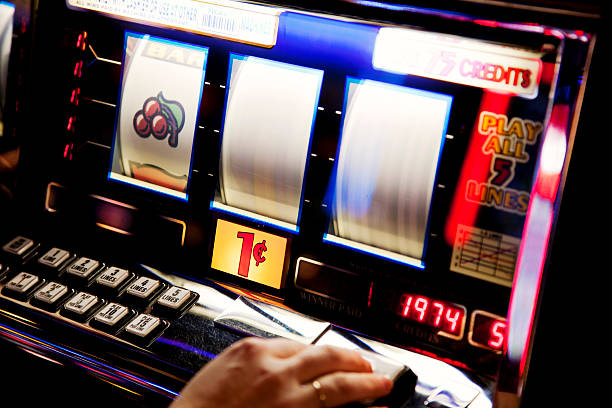
Another critical cognitive bias affecting gamblers is selective memory. Gamblers often have a tendency to vividly remember their winning moments while downplaying or forgetting their losses. This selective recall can create an inflated sense of success, further reinforcing the desire to continue gambling. The more individuals focus on their wins, the more they may convince themselves of their skill and luck, perpetuating their gambling behavior. This cognitive distortion can create a dangerous cycle, where the illusion of being a “winner” encourages continued gambling despite the reality of their overall losses.
Additionally, confirmation bias can play a significant role in shaping gamblers’ decisions. Players often seek out information and experiences that support their beliefs about luck or skill, while ignoring evidence that contradicts these beliefs. This bias can lead to unhealthy gambling patterns, where individuals continue to chase losses under the pretense of having a winning strategy. Awareness of these cognitive biases is essential for gamblers, as recognizing these patterns can help them make more informed choices and develop healthier attitudes toward gambling.
Exploring Resources and Support for Gamblers
Understanding the psychology behind gambling is crucial for both individuals who gamble and their loved ones. The interplay of emotions, cognitive biases, and social influences can create complex dynamics that impact gambling behavior. Recognizing these factors can lead to healthier gambling practices and more informed choices. Numerous resources are available for individuals seeking to understand their behavior or those needing support, including self-help groups and professional counseling services. These resources empower individuals to reflect on their gambling habits and develop healthier coping mechanisms.
Moreover, organizations dedicated to promoting responsible gambling provide valuable educational materials that emphasize the importance of understanding the risks associated with gambling. These resources often cover recognizing the signs of problematic behavior and learning strategies for setting limits. By fostering greater awareness about healthy gambling practices, individuals can navigate their habits more effectively and avoid the pitfalls of excessive gambling. Education plays a key role in helping individuals make informed choices regarding their gambling activities.
As awareness of gambling psychology continues to grow, there is an increasing emphasis on integrating these insights into treatment and prevention strategies. Many rehabilitation programs now incorporate psychological education to help individuals address the underlying emotional issues and cognitive biases contributing to their gambling behavior. Ultimately, understanding the psychology behind why we gamble is a vital step toward promoting healthier attitudes and behaviors surrounding gambling, providing individuals with the tools they need to make positive changes in their lives.
